Can Technology That Monitors Everything Still Miss What Matters Most?
Australia's aged care sector is embracing artificial intelligence and smart technology at unprecedented speed. Wearable devices continuously track heart rate, oxygen levels, and movement patterns. AI algorithms analyze health data to predict deterioration before symptoms appear. Robotic companions like ElliQ offer conversation, medication reminders, and emergency alerts. Smart homes automate lighting, temperature, and security systems tailored to individual preferences. These innovations promise to revolutionize how we support elderly Australians to live independently, safely, and comfortably at home the exact outcomes our aged care reforms prioritize.
Yet there's a profound paradox emerging in 2026: the more technology we deploy to care for elderly people, the more we risk losing sight of what care actually means. Consider the possibility that we could monitor every vital sign, predict every health crisis, automate every household task and still fail to address the loneliness, loss of purpose, and disconnection that undermine wellbeing as much as any physical condition. The technology narrative in aged care often frames innovation as inherently positive, as if adding more sensors and algorithms automatically improves lives. But what if the question isn't whether technology can do more, but whether it helps us be more more present, more connected, more genuinely responsive to what matters to elderly people themselves?
This isn't technophobia. It's an invitation to interrogate whether our enthusiasm for AI-enabled care is addressing human needs or simply making institutional care more efficient. CareNeighbour's philosophy insists that care is fundamentally relational: reciprocal, community-driven, grounded in authentic human connection. How do we ensure technology serves that vision rather than replacing it with something that looks like care but feels like surveillance?
The Promise and Limits of AI-Powered Elderly Care
The technological innovations arriving in Australian aged care are genuinely impressive. AI-driven personalized care plans use comprehensive assessments and remote monitoring to tailor support to each person's specific medical and emotional needs, adjusting in real-time as conditions evolve. This personalization helps improve outcomes for seniors with chronic illnesses like diabetes, heart disease, or COPD by enabling earlier interventions and reducing hospital readmissions. Telehealth has become standard in elderly in-home nursing care, with nurses using video calls, wearable monitors, and secure platforms to maintain continuous contact without unnecessary travel or infection exposure.
Predictive analytics represent perhaps the most transformative application. Machine learning algorithms analyze data from home monitoring systems to identify early warning signs of deterioration, enabling preemptive interventions that reduce hospitalization rates. For an aging population where acute episodes often trigger cascading health declines, this predictive capacity could be genuinely life-changing. Virtual physical therapy with AI-powered motion tracking allows therapists to monitor and adjust exercise routines remotely, ensuring safety while maximizing functional recovery. Robotics-assisted therapy, including exoskeletons and smart mobility aids, facilitates strength building, balance training, and fall prevention.
Smart home integration addresses safety concerns that often force premature moves to residential care. Voice-activated assistants, automated lighting, fall detection systems, and emergency response capabilities provide security while preserving autonomy. These technologies don't just monitor they actively support independence, which is what most elderly Australians want most. AI companion robots offer consistent social interaction through conversation, entertainment, and reminders to connect with family, addressing the social isolation that remains a major health concern in 2026.
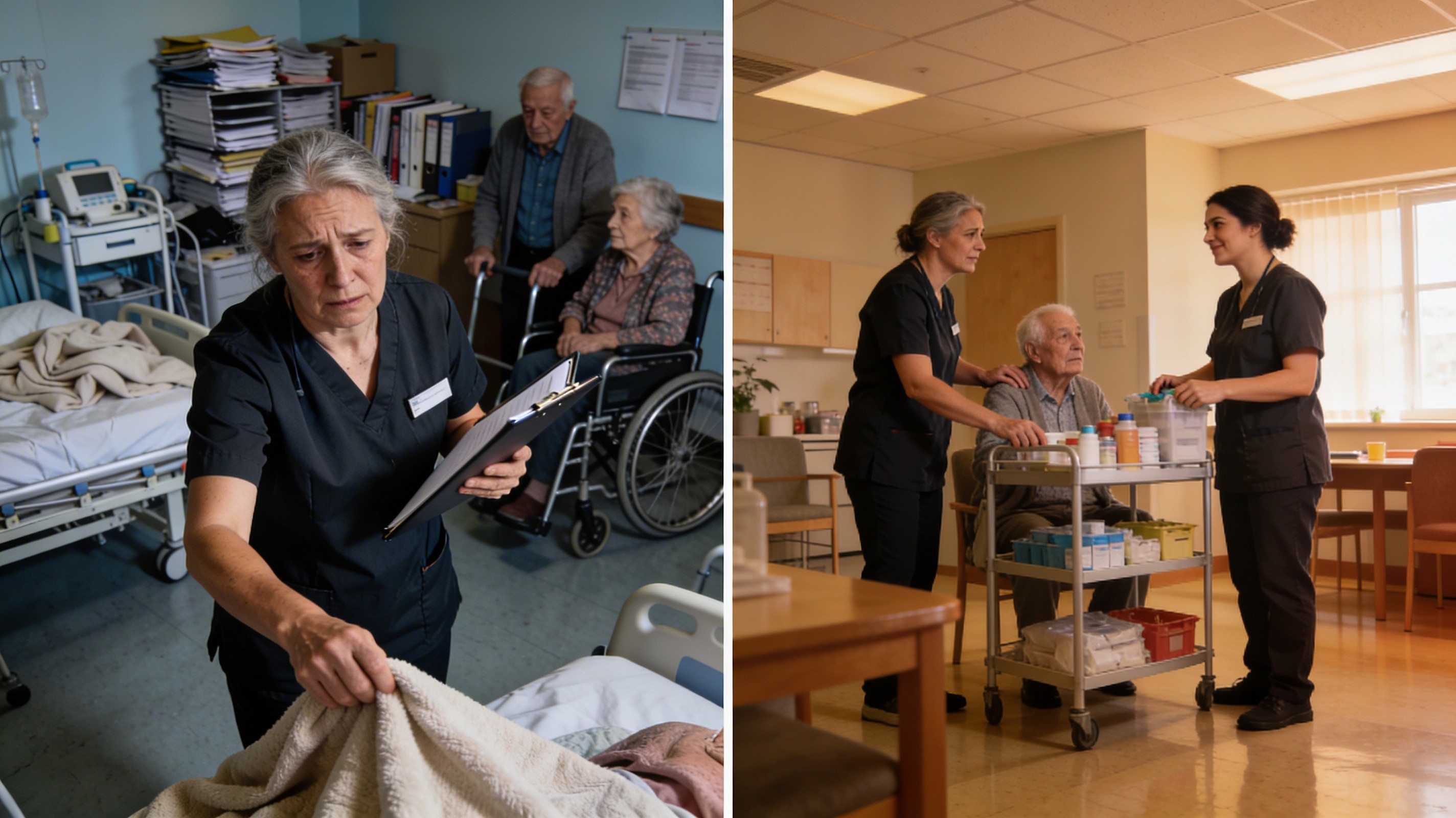
But here's the limitation we need to acknowledge: every one of these technologies works best as a supplement to human care, not a replacement for it. AI companions can reduce caregiver stress and burnout by handling monitoring and reminders, allowing human caregivers to focus on emotional support and quality interactions. That phrase "allowing human caregivers to focus on" is crucial. Technology should create space for deeper human connection, not substitute for it. Yet workforce shortages in Australia's aged care sector (facing a shortfall of at least 110,000 direct care workers by 2030) create pressure to use technology as replacement rather than enhancement.
The ethical questions are complex. AI is demonstrably effective at early detection of Alzheimer's, monitoring Parkinson's progression, and cardiovascular health management. But dignity isn't just about clinical outcomes it's about agency, privacy, and the lived experience of being monitored. When does health monitoring become surveillance? When does predictive intervention undermine autonomy? An AI system that prevents a fall is valuable; an environment where every movement is tracked and analyzed may feel like institutional control dressed in smart-home aesthetics.
Technology as Tool, Not Transformation
The way forward isn't rejecting technology it's insisting that technology serve genuinely human purposes. Person-centered care, the philosophy driving Australia's aged care reforms, means algorithms should support what matters to each individual, not impose standardized interventions. AI enables this by incorporating detailed information about preferences, cultural backgrounds, languages spoken, and personal value systems into care planning. But "what matters" can't be reduced to data points an algorithm can process.
Consider intergenerational programs where early learning centers co-locate with aged care facilities. Research shows older adults in these programs experience improved mental and physical health, feeling valued and connected, while children develop empathy and communication skills. No AI companion, regardless of sophistication, can replicate the reciprocity of a toddler bringing drawings to an elderly resident, or a grandmother teaching traditional crafts to preschoolers. These interactions work precisely because they're unmonitored, unprofessionalized, and rooted in genuine relationship rather than service delivery.
Age-friendly cities across Australia are redesigning physical and social environments to support older people participating actively in community life. This approach recognizes that wellbeing comes from contribution and connection, not just safety and service. Technology can support participation, accessible digital interfaces, transportation apps, communication platforms, but it can't create the social fabric that makes participation meaningful. That requires neighbors, local organizations, and community structures that value elderly people as contributors, not just service recipients.
The role of technology in aged care should be instrumental, not transformative. Wearable devices that alert family members to falls are valuable tools. Smart medication dispensers prevent dangerous dosing errors. AI-powered health analytics inform clinical decisions. These technologies enhance human care; they don't constitute care themselves. The danger is that workforce shortages and cost pressures will tempt policymakers and providers to treat technology as a solution to fundamentally human problems. An AI companion can reduce loneliness symptoms; it can't replace belonging. Predictive health monitoring can identify deterioration; it can't provide the purpose that comes from being needed in your community.
CareNeighbour's vision is the notion of care being reciprocal, relational, community-driven offers a framework for evaluating technology. Does this innovation strengthen or weaken genuine relationships? Does it enhance or undermine reciprocity? Does it support community connection or substitute institutional efficiency? Smart home technology that helps someone stay connected to neighbors is different from monitoring systems that report to distant services. The technology might be identical; the social architecture around it determines whether it serves human flourishing or institutional convenience.
Australia faces genuine challenges: an aging population, workforce shortages, and rising care costs. Technology will necessarily be part of the response. But we must resist the seductive narrative that innovation solves care. Elderly people don't need more sophisticated monitoring they need communities that value them, systems that respect their autonomy, and relationships that honor their dignity. Technology should make those things easier, not provide cheaper substitutes for them.